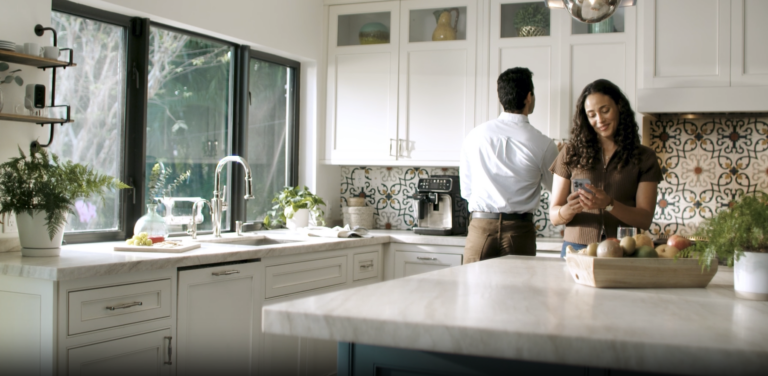
Your alarm sends a notification while you are driving on I-95, in a meeting, or asleep. The important question is what happens after that alert arrives.
For homeowners in St. Augustine and across Northeast Florida, choosing between professional monitoring and self-monitoring starts with deciding who will handle that next step.
What is the difference between professional monitoring and self-monitoring?
Self-monitoring generally makes you responsible for noticing alerts, checking what happened, and requesting help. Professional monitoring connects supported alarm signals to a monitoring center that follows established response procedures. The signals received, verification steps, and available response depend on your equipment and service plan.
DIY installation is a separate decision. A system you install yourself may offer professional monitoring, while having equipment professionally installed does not, by itself, tell you how alarms are handled. Check the actual service agreement.
What does self-monitoring require from you?
A self-monitored setup can provide useful information through an app or other notifications. You may check a camera, see that a door opened, or learn that someone arrived home. Those features can be valuable, but they also raise practical questions:
- Will you notice an alert with your phone silenced or out of reach?
- Can you safely check the situation while working, traveling, or driving?
- Who else can receive alerts if you are unavailable?
- Who will contact emergency services when help is needed?
Think about an ordinary week rather than an ideal one. A homeowner who travels regularly or manages a second home in Ponte Vedra may have different needs from someone who is usually nearby. Agree on responsibilities before an alarm occurs.
What does professional alarm monitoring add?
Professional monitoring adds a monitoring center to the alarm response process. It reduces your reliance on personally noticing every covered alarm signal. Your provider should explain which signals are included and what the center does when it receives them.
Ask about contact attempts, verification, emergency contacts, cancellation procedures, and when emergency assistance may be requested. Professional monitoring does not guarantee police dispatch or a particular arrival time. The alarm event, service procedures, and local agency requirements all matter.
Alarm.com’s explanation of professional and self-monitoring offers additional background on the difference between receiving a notification and having a monitoring center involved. Your own provider’s plan determines your specific coverage.
Are cameras the same as a monitored alarm?
No. A camera notification and an alarm signal can serve different purposes. A video clip may help you understand activity, while an alarm system uses its configured sensors to detect covered events.
Do not assume that someone is continuously watching your cameras because you have a monitoring subscription. Ask whether video services are included, which events they cover, and who reviews them. Our guide to choosing a home security system can help you connect these features to your daily routine.
What should you ask before choosing a monitoring plan?
- Coverage: Which intrusion or other supported alarm signals does this plan monitor?
- Communication: How does the system send those signals?
- Outages: What depends on internet access, cellular service, or backup power?
- Response: What happens if nobody answers the first contact attempt?
- Support: Who helps with testing, trouble messages, or account changes?
- Terms: What are the ongoing charges, equipment obligations, and cancellation conditions?
A backup battery or cellular communicator can support certain functions, but neither means every device will work through every outage. Confirm the equipment, condition, connection, and limitations of your particular system.
Common monitoring questions
Can I professionally monitor an existing security system?
Sometimes. Compatibility, equipment condition, account access, and communication hardware need to be checked first. Read our guide to switching alarm monitoring companies before assuming you need a replacement.
Does professional monitoring replace my security app?
Not necessarily. Many systems combine customer app features with professional monitoring. Ask which controls and notifications are supported by your equipment and included in the proposed plan.
Which monitoring option is right for my home?
Compare your ability to manage alerts with the coverage and support you want. The right choice should fit your routine, your existing equipment, and your expectations about response.
Get clear answers about your monitoring options
VKA Security has served St. Augustine since 1973. We can review your home, existing equipment, and priorities, then explain suitable alarm monitoring options in plain language.
Schedule Your Free Security Review to discuss who handles an alarm when you cannot. Prefer to talk? Call (904) 824-5003.