Questions such as “What security system do burglars hate?” suggest there might be one product that solves home security. A more useful approach is to look at how your locks, lighting, cameras, alarm, and daily habits work together.
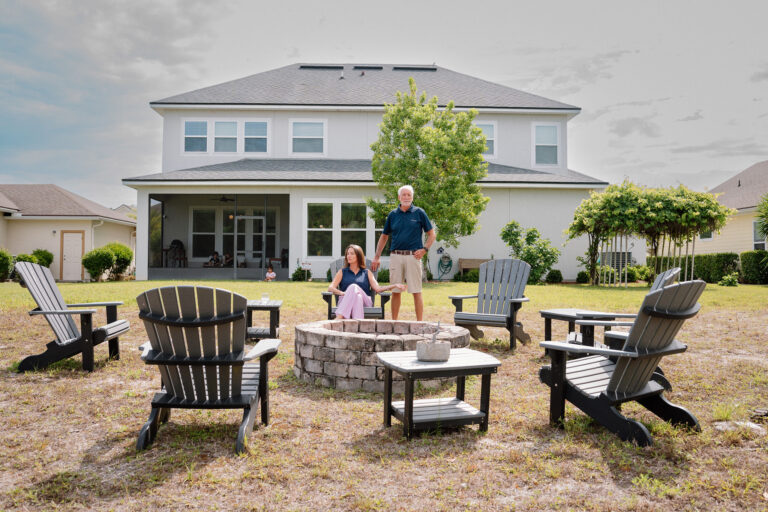
For a home in St. Augustine, Ponte Vedra, Palm Coast, or elsewhere in Northeast Florida, that starts with the property itself and how your household uses it.
What helps deter burglars from a home?
A layered approach combines secure entry points, useful lighting and visibility, consistent locking habits, and suitable alarm or camera coverage. Each layer serves a different purpose: discouraging unwanted activity, making entry harder, detecting an event, or helping someone respond. No measure guarantees that a break-in will not happen.
Start with doors, windows, and everyday access
Walk the property and check whether the doors, windows, and garage close and lock properly. Include less-used entrances. A damaged frame or a lock that no longer latches deserves attention even if you have recently added cameras.
The St. Johns County Sheriff’s Office home safety guidance emphasizes locks, lighting, and landscaping. It recommends securing entry, sliding, and garage doors, keeping windows secured, and maintaining visibility around openings.
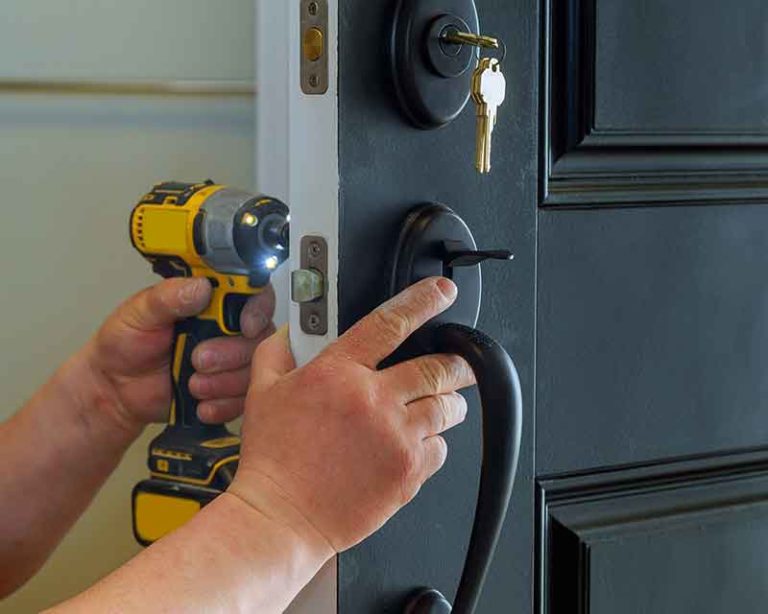
If you have recently moved or cannot account for key copies, include physical access in the review. VKA’s locksmith services can help you consider appropriate lock work. Keep emergency exit needs in mind when making changes.
Use lighting and landscaping to improve visibility
Check your entrances after dark. Can you see someone approaching the door? Are fixtures working? Does a shrub block the view from a window or camera?
Choose lighting for the area you need to see, and check its effect on camera images and neighboring homes. More brightness is not automatically more useful. Lighting that creates glare or leaves the doorway in shadow may need a different placement.
The Florida Sheriffs Association’s burglary prevention guide recommends entrance lighting, timers or smart indoor lights while away, and avoiding accumulated deliveries. It also encourages careful travel-related social posting and coordination with trusted neighbors.
Give cameras and alarms different jobs
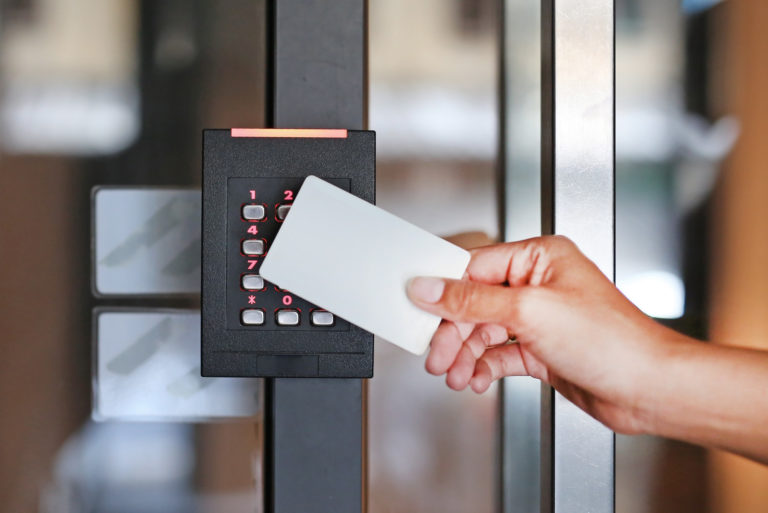
Cameras can provide visibility and a record of activity. An alarm system uses configured sensors to detect covered events. Neither replaces a properly secured door, and a video notification does not establish that emergency help has been requested.
For each entrance, decide what you want to know: that someone approached, that a door opened, or that an alarm condition occurred. Then ask which equipment can meet that need. Our guide to choosing a home security system can help you make those decisions without shopping only by device count.
Decide who responds to an alarm
Detection needs a response plan. If you receive an alert while driving or away from your phone, who else is responsible?
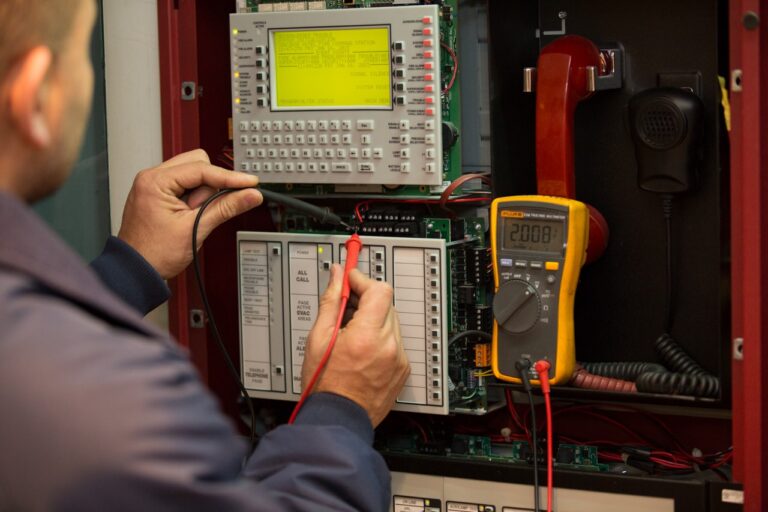
With self-monitoring, that responsibility generally stays with you and your designated contacts. Professional alarm monitoring adds a monitoring center that follows the procedures for covered signals. Ask exactly which events are included and how they are handled; monitoring does not guarantee dispatch or a particular response time.
Read our comparison of professional monitoring and self-monitoring to explore those responsibilities in more detail.
Build a routine you will actually use
A modest system that your household understands is more useful than features nobody knows how to operate. Before bed or leaving home:
- Check that doors, windows, and the garage are secured.
- Use the alarm’s appropriate arming mode, following your provider’s instructions.
- Check that cameras and notifications are working as intended.
- Keep keys, app permissions, and temporary access under control.
- Report trouble messages and arrange maintenance rather than ignoring them.
Before traveling, review contact information and arrange a trusted person to handle deliveries or property checks. Confirm how your particular equipment communicates and what limitations apply during an outage.
Common home security questions
Does leaving lights on at night deter burglars?
Lighting can improve visibility, but it is not a guarantee of protection. Choose a useful arrangement for your entrances and routine. Timers or supported smart lighting may help manage indoor lights while you are away; they should be one part of a broader plan.
What security system do burglars hate most?
There is no single system that can promise that result. Focus on the property’s entry points, visibility, detection needs, and response arrangements rather than an unsupported “best deterrent” claim.
Are cameras enough to protect my home?
Cameras offer useful awareness, but they do not physically secure doors or automatically provide every alarm response service. Consider them alongside locks, sensors, monitoring options, and daily habits.
Find the gaps before buying more equipment
VKA Security has served St. Augustine since 1973. We can review your current setup and discuss practical home security options that fit your property and routine.
Schedule Your Free Security Review to talk through the layers your home already has and where improvements may help. Or call (904) 824-5003.